Digital signal processing and AI-driven beamforming sharpen every syllable. Pre-recorded protocols, real-time text-to-speech, and live operator microphone, all delivered with the same field-tested clarity.
Fire any siren, zone, or the entire network from the SiSA™ console, desktop or mobile. Role-based authorization, dual-confirmation for live broadcast, and full activation audit logging on every event.
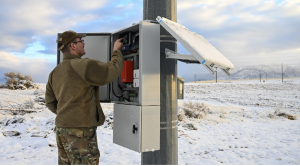
Scheduled silent and audible tests verify amplifier output, battery state, solar charge, and acoustic response. Faults raise an alert in SiSA™ before they become an outage, no truck rolls to find a dead siren.
Native SiSA™ integration plus open protocols let new sirens stand alongside existing infrastructure. Modernize coverage incrementally, retrofit legacy poles or extend a fully new network, on one platform.
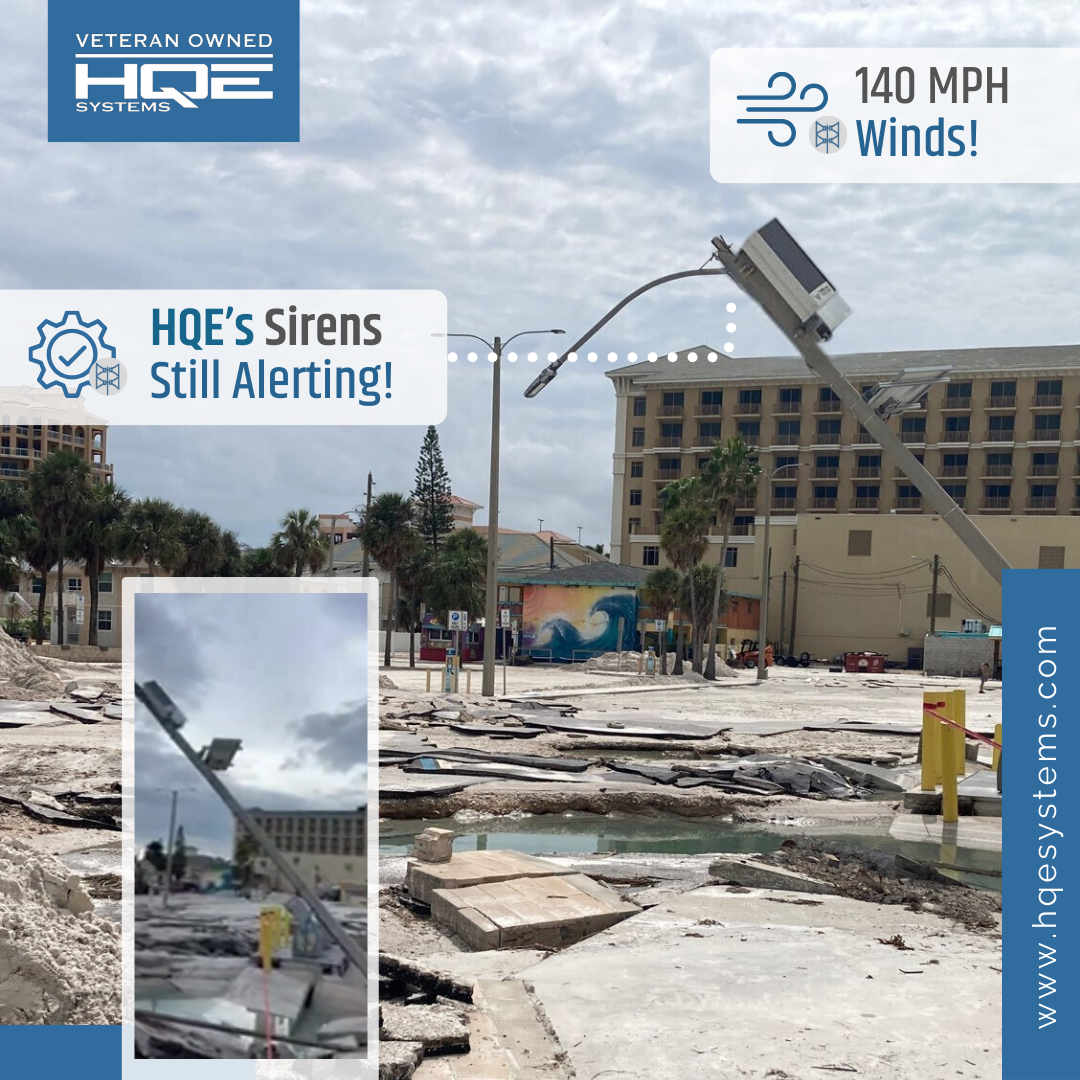
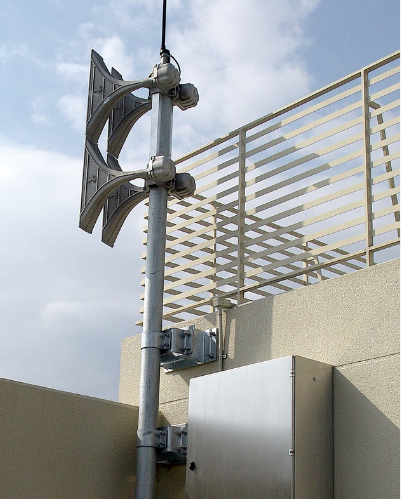
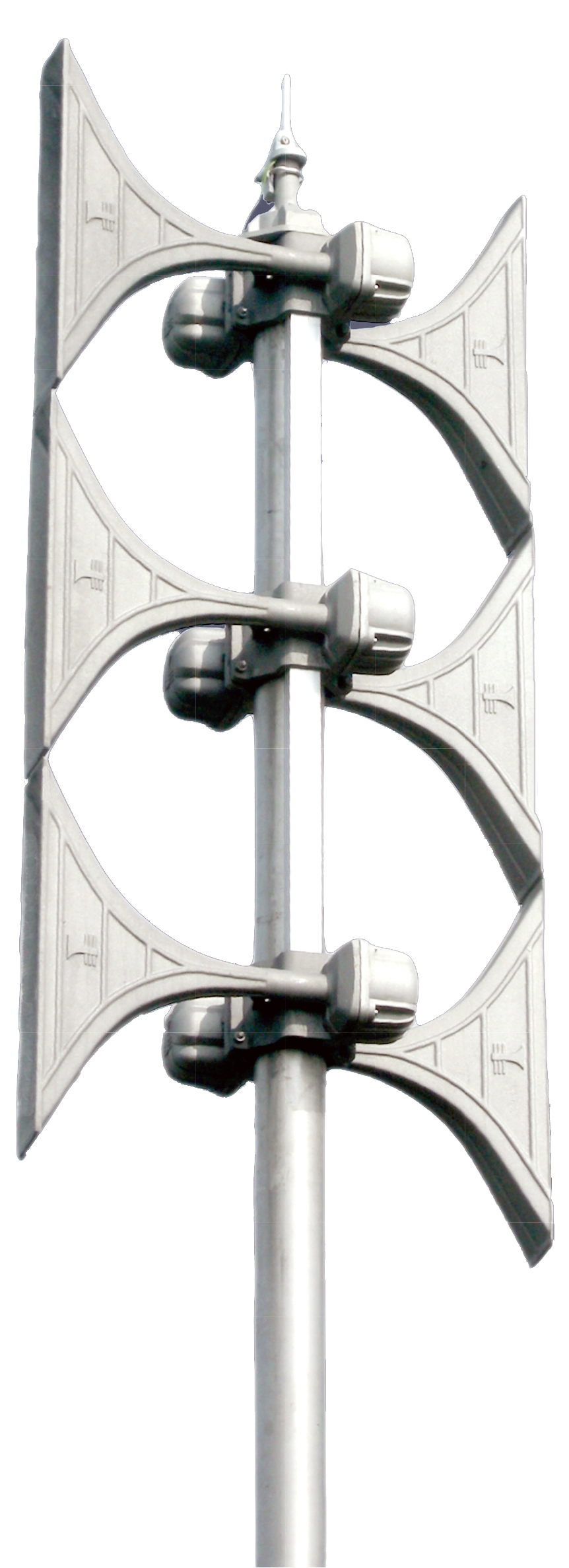
HQE outdoor warning sirens come in two form factors. Both run on the same SiSA alerting software, the same connectivity, and the same SAFE Network certification. The difference is the acoustics and how the unit looks on your skyline.

Best for maximum reach over open terrain. Municipalities, refineries, military bases, large campuses, and wide-area outdoor coverage.

Best for architecture-sensitive and urban sites. Rooftops, historic districts, campuses, and downtowns where a traditional horn cluster is visually unacceptable.
Choosing between them comes down to one question. If you need raw output and the longest possible reach, the horn cluster wins. If the unit has to disappear into the building it sits on, the line array wins.
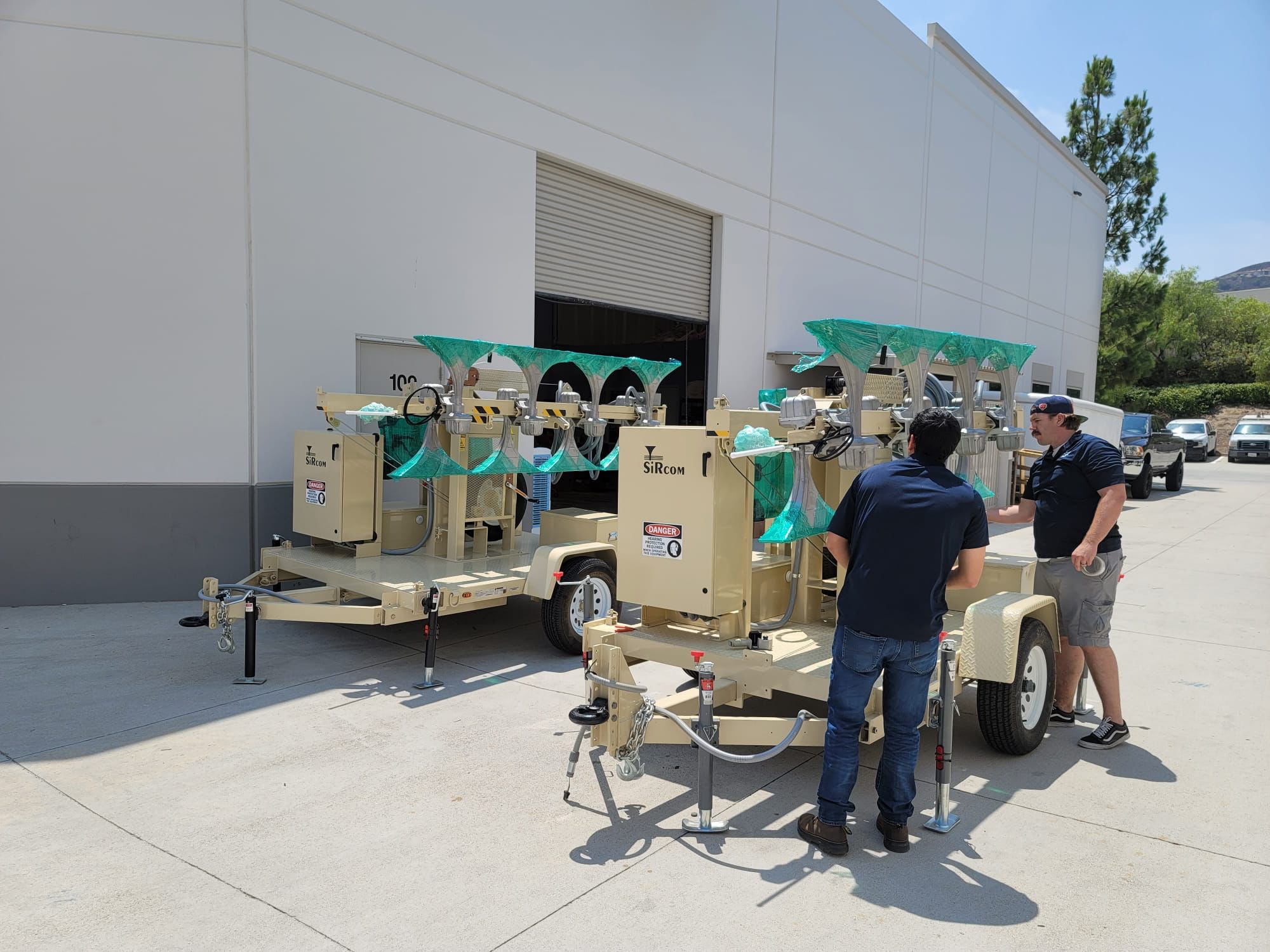
Models scale from compact campus units to high-power regional arrays. Group sirens into named zones and broadcast a targeted message to one neighborhood or sound the whole jurisdiction at once. Configurations are available in 2, 4, ..., 28 and 32 horn arrays.
Campuses, schools, single facilities, and tight industrial sites where precise, contained coverage matters.
The municipal workhorse — neighborhoods, waterfronts, and town centers needing dependable wide-area voice.
Regional and critical-infrastructure scale — coastal warning, utilities, and wide-perimeter industrial zones.
Low-profile vertical column. Uniform output in both directional and omnidirectional configuration.
Horn style figures above reflect the 2 to 32 horn array range. The HPSA XLS120 line array is a separate speaker family with its own acoustic profile.
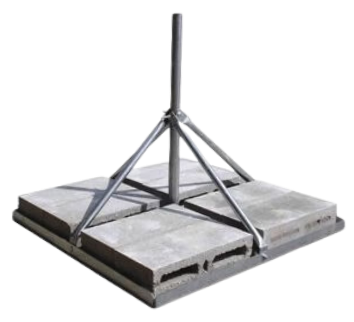
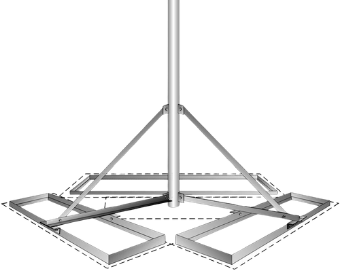
The SMART non-penetrating roof sled mounts a full siren array on an existing rooftop without drilling a single hole through the roof membrane.

Non-penetrating roof sled frame

Ballast-weighted base, no roof penetration
Both siren families mount on the sled, on a pole, or directly to a wall or parapet, so placement is driven by acoustics and sightlines rather than by what the structure will allow you to drill into.
Hardware configurations are subject to change without prior notice.
Book a live demonstration or a coverage study for your jurisdiction. Our engineers will model your terrain, recommend siren placement, and show you the SiSA™ console in action.